Home Safes: How to Choose the Right Safe for Your Home
Posted by Jim on 20th Nov 2025
Home Safes: How to Choose the Right Safe for Your Home
Fire protection for papers, burglary protection for valuables, the right lock and the right size - and why every safe is bolted down.
In this guide
- Start with what you keep
- Size, weight and where it goes
- Fire protection for papers
- Burglary protection and insurance
- Keypad, key or app
- Small safes for a wardrobe or home office
- Bolting it down and installation
- Questions about home safes
A home safe is chosen by what you keep in it. Passports and papers need fire protection; jewellery, watches and cash need burglary protection and a figure your insurer accepts; a laptop needs the room to lie flat. Most homes need a little of each - and every safe needs to be bolted down.
Start with what you keep
Size, weight and where it goes
- Measure what goes in - the largest document wallet, jewellery box or laptop - and allow room for what you will add.
- Measure where it goes - the wardrobe floor, the cupboard, the path in - before you choose.
- Weight works for you - a heavier safe, bolted down, is far harder to carry away.
- Think about the floor - a large safe needs a floor that can carry it, and an in-floor safe is another option (why in-floor).
Fire protection for papers
A fire rating says how long the safe keeps paper below the temperature at which it chars - and whether an independent body certified that, or the maker states it. Every rating below is for paper.
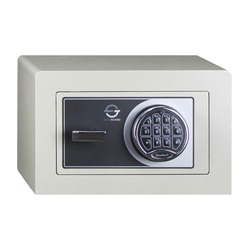
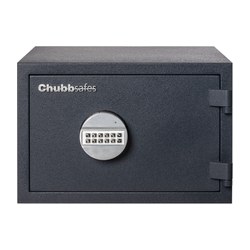
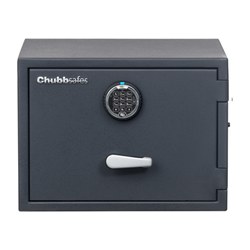
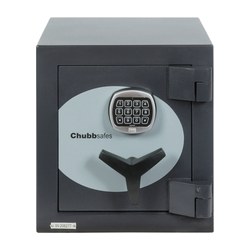
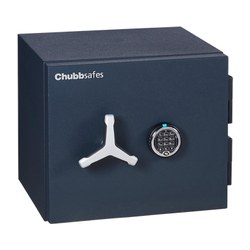
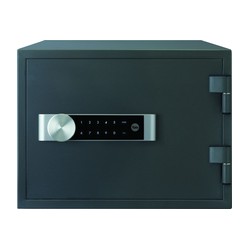

USB drives, hard drives and discs fail at a much lower temperature than paper. A paper rating does not protect them - why paper and data differ.
More on reading a rating: certified, standard and maker ratings. For the whole HS range side by side, see the HS model range.
Burglary protection and insurance
A burglary certificate means an independent body tested the safe against attack. A cash rating is the maker's guideline for how much cash an insurer may accept in it - your insurer has the final say.
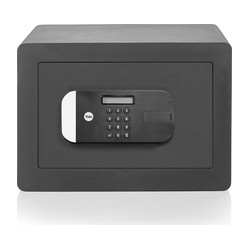
Ask your insurer what it needs before you buy - how insurers use cash ratings, and the other burglary certificates. The Chubb Viper, Senator, Mini Banker MkII and DuoGuard are usually a special order.
Keypad, key or app
- Keypad: most home safes open with a code. Check how the battery is changed - on many it is from outside the safe (keypad batteries).
- Override key: the Yale Elite has four-sided override keys, the Yale Maximum Security a double-bitted one, and the Secuguard hotel safes a mechanical key override - keep the key away from the safe. The Yale Document Fire Safes have no override key.
- Key only: the Secuguard HS1K opens with an Australian-made Ross lever key lock - no battery at all.
- App: the Yale Smart Safe opens from the Yale Home app over Bluetooth, with Apple HomeKit and Apple Watch, and a keypad as well. Remote access and voice need the Yale Connect Plus Hub 2, sold separately.
A relocker behind the lock is worth having too - what relockers do.
Small safes for a wardrobe or home office
For spare keys, a passport drawer's worth of valuables or a laptop, a small safe bolted to the floor or wall does the job.
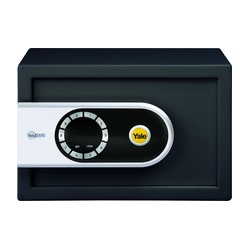
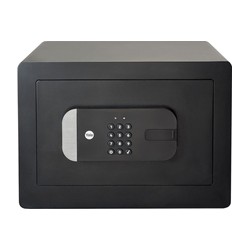
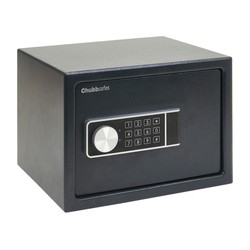
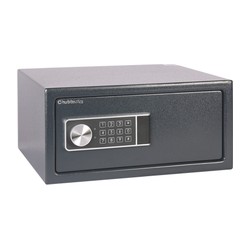
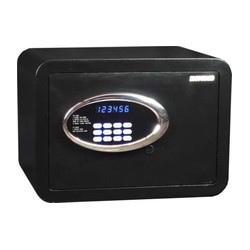
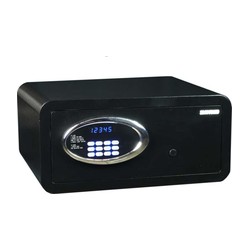
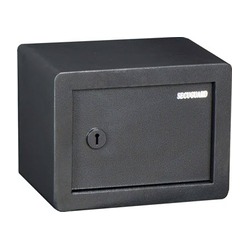
None of these has a fire rating or a cash rating, and only the Yale Maximum Security has a burglary approval - for fire, look at the fire table; for a heavier steel box with a cash rating, the Chubb Cube SC1 is 12 mm solid steel with a $5,000 cash rating (insurer guideline) and no fire rating.
Bolting it down and installation
A safe that is not bolted down can be carried away and opened somewhere else. Bolt it to concrete where you can:
- The Yale Maximum Security safes fix to a concrete or brick wall or floor at two points or more.
- The Chubb Air comes with four expansion anchors.
- The Secuguard hotel safes bolt to a floor or a wall.
- The Secuguard HS safes have four 15 mm anchor holes in the base and the back.
We install safes on the Gold Coast and in the Tweed Shire, and deliver to East Coast destinations as well - see Delivery and Installation for rates and conditions, and installing a safe.
 The brands in this guide


FAQ
 What is the best safe for a home?
The one that matches what you keep: a fire rating for papers, burglary protection and a cash rating your insurer accepts for jewellery and cash, and the room for a laptop if you need it - bolted down.
Will a fire safe protect my USB drives and hard drives?
Not a safe rated for paper. Data media fail at a much lower temperature, so they need a safe rated for data media.
Do I need to bolt my safe down?
Yes. A safe that is not bolted down can be carried away and opened somewhere else, and an insurer often expects it.
What if I forget the code?
On a safe with an override key, use the key - and keep it somewhere other than the safe. Otherwise, call us: we open safes.
Can I open a safe from my phone?
The Yale Smart Safe opens from the Yale Home app over Bluetooth. Remote access and voice need the Yale Connect Plus Hub 2, sold separately.
Do you install home safes?
Yes, on the Gold Coast and in the Tweed Shire, and we deliver to East Coast destinations as well.
Related Guides
Choosing a safe for your home?
Tell us what you want to keep in it and where it will go. We will recommend the safe and how to fix it.
 Ask an Expert
Terry’s Gold Coast Safes
2 Prosper Crescent
Burleigh Heads, QLD 4220
Showroom display stock, free pickup, and installation on the Gold Coast and in the Tweed Shire. Visit our showroom